Why a 1 cm Incision Can Be One of the Hardest Surgeries
Gangnam plastic surgeon Kwak Chan-yee explains why a 1 cm medial brow incision to remove inner-corner eyelid fat can be one of the most technically demanding procedures in facial surgery.

A junior colleague once asked me: is there a surgery you find truly difficult? What kind of operation is the hardest?
It isn't the large, complex procedures that are the most challenging.
The truly difficult surgeries are the ones where the patient assumes it will be simple, yet the actual access is technically demanding and the surgical site is hard to reach.
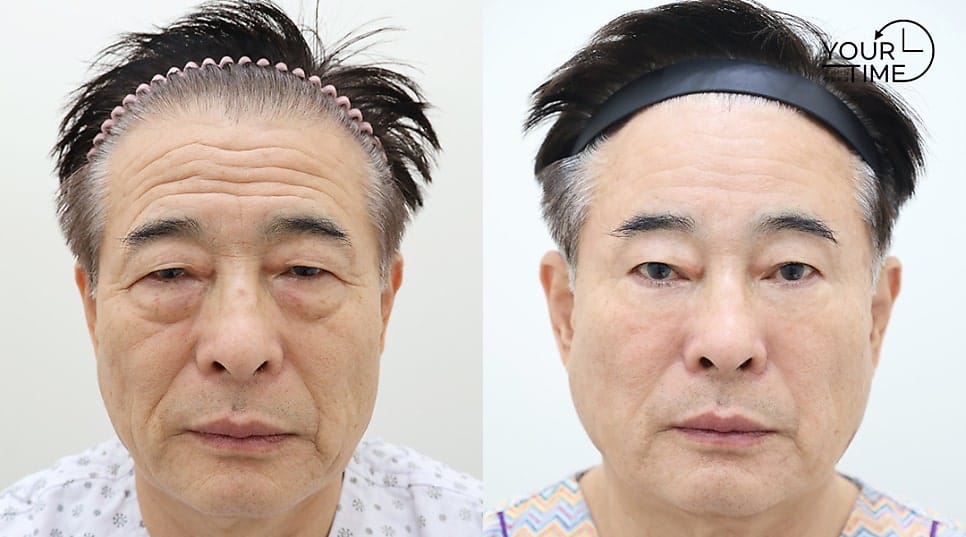
As people enter middle age and beyond, the fat pads of the upper eyelid tend to sag and spread laterally. In some cases, fat also protrudes and droops toward the inner corner of the eye.
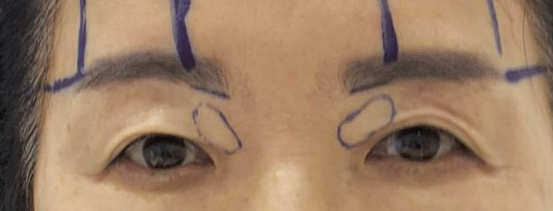
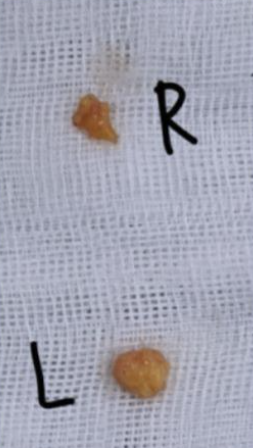
Some patients ask to have this fat removed, and the complication arises when they do not want a double-eyelid (upper blepharoplasty) crease.
With an incisional double-eyelid procedure, access to the fat is relatively straightforward. Without it, however, we must make the incision along the inferior margin of the eyebrow to minimize visible scarring. The difficulty lies in the fact that important nerves and blood vessels run through that area, and carefully lifting the orbicularis oculi muscle without injuring it while gaining access is quite demanding.
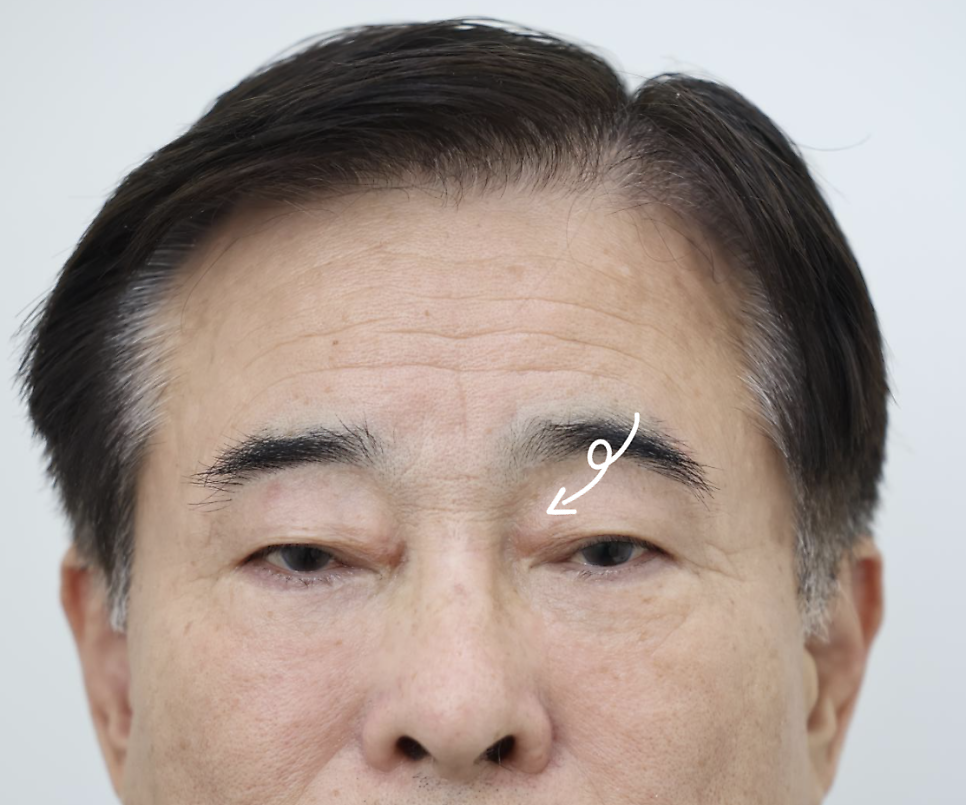
Patients who are already planning a full brow lift and therefore accept a longer incision have it comparatively easier.
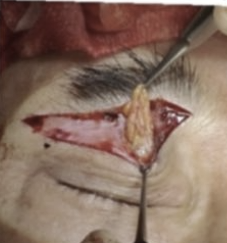
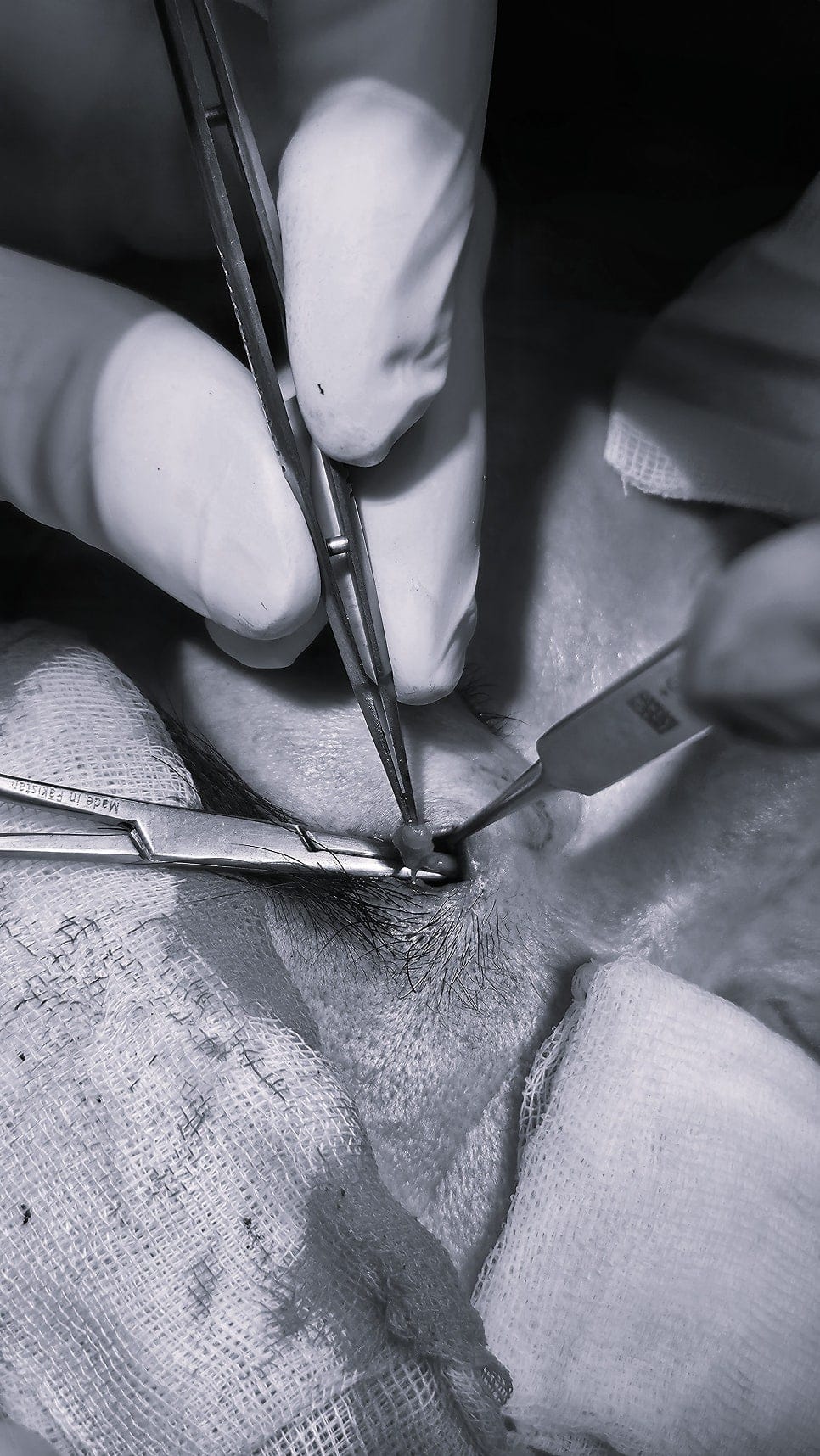
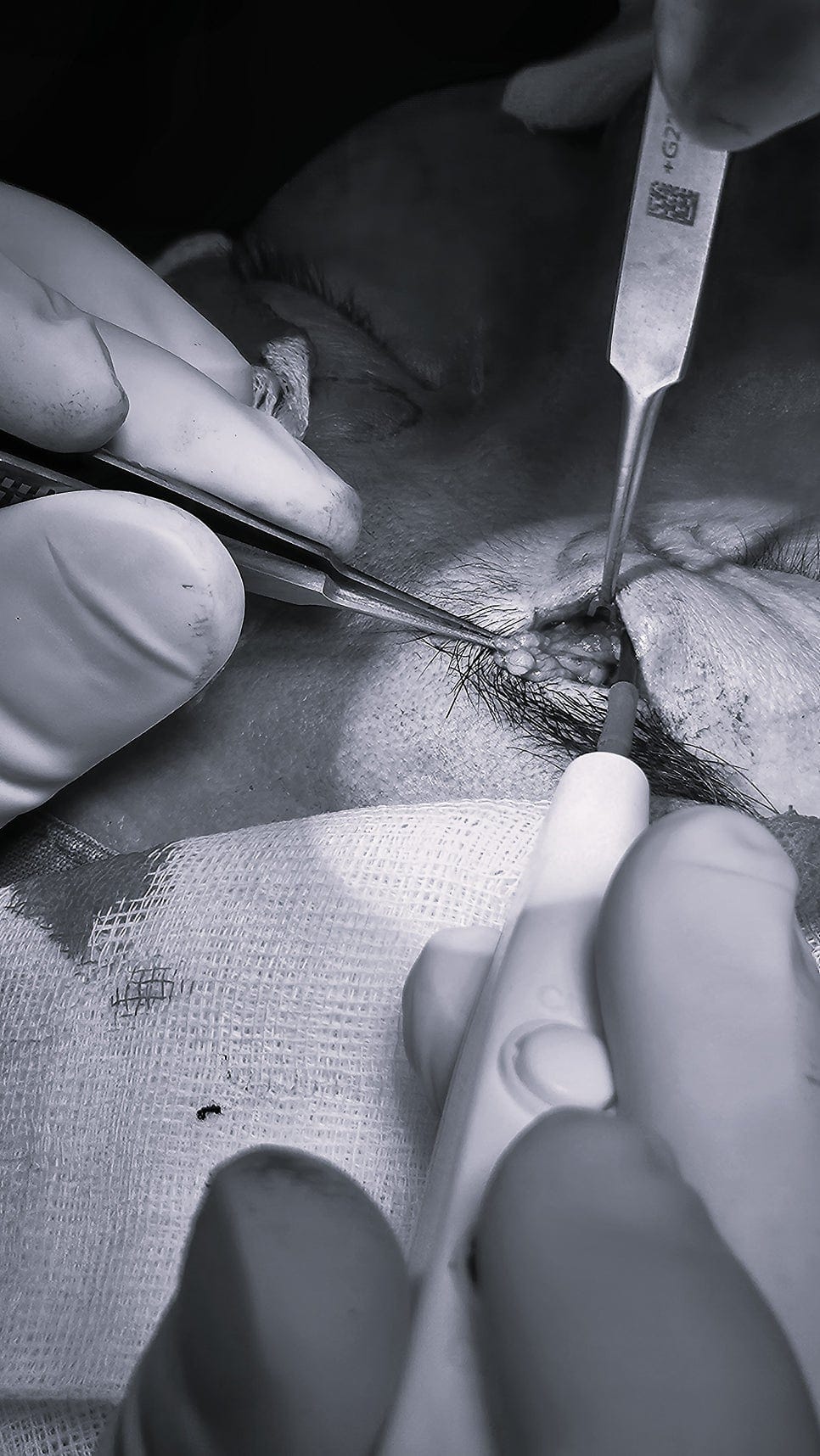
When the incision is limited to only about 1 cm at the medial brow, the opening is tiny while the structures requiring protection are numerous — making it a genuinely difficult operation.
The problem is that patients tend to think of it as very simple, since the incision is only about 1 cm. ^^;
Reaching exactly the right fat compartment is also far from easy. If the dissection strays into the wrong tissue plane, locating the target becomes extremely difficult.
Honestly, back when I was a resident, this felt like the kind of high-difficulty procedure I wasn't sure was even achievable.
Fortunately, I am now at a point where I can dissect precisely to the intended layer without a single drop of bleeding, remove only the target fat, and close — and I am grateful for that.
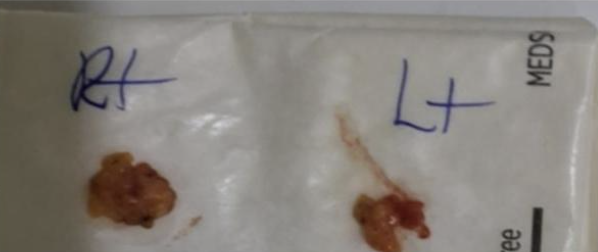
Still, now that I have entered my forties — what surgeons call the years of true maturity —
I am deeply grateful that when I operate according to what I have planned in my mind,
the results come out exactly as intended.
There is a saying that a surgeon whose hands no longer follow the vision in their mind, or whose results no longer match that vision, should retire.
I will continue to work diligently and give my absolute best in caring for every patient, until I can consistently achieve the results I aim for.
YourTime Plastic Surgery
Kwak Chan-yee, Director.
#GangnamPlasticSurgery #YourTimePlasticSurgery #KwakChanYee #BrowLift #ForeheadReduction #ForeheadLiftAndReduction #GangnamBrowLift #BestBrowLift #TemporalLift #MiniBrowLift #EyebrowLift #DroppingEyebrow #HeavyEyelids #SaggingEyelids #EyelidFatRemoval #SeriousAboutSurgery #BrowLiftSideEffects #IsBrowLiftSafe #NasalBoneFractureSurgery #GangnamFractureSurgery #GangnamNasalBone #FacialBoneCT #NasalBoneFractureCare #FacialInjuryCare #LacerationRepair #GangnamLacerationRepair #PediatricSuturing #GangnamPediatricSuturing #PlasticSurgerySuturing #GangnamPlasticSurgerySuturing